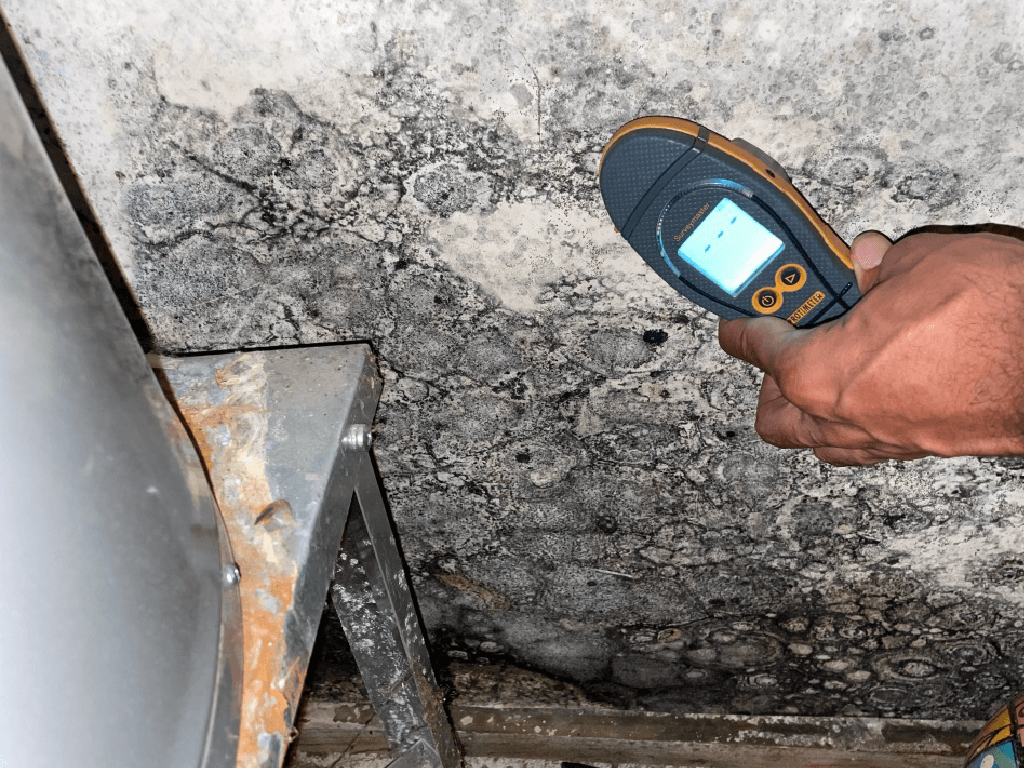
In Anaheim, where ocean breezes meet warm inland air, the mix of moisture and heat often creates the perfect environment for mold growth. Whether it’s a slow plumbing leak behind a wall, moisture buildup from poor ventilation, or storm-related water intrusion, mold can develop quickly and quietly. If you’ve noticed musty odors, dark stains, or allergy symptoms that worsen indoors, it’s time for a professional mold inspection in Anaheim.
At Rytech Restoration of Orange County, our certified specialists follow the ANSI/IICRC S520 Standard for Professional Mold Remediation. We not only detect and document mold but also address the underlying moisture issues to ensure safe and lasting recovery. Here’s how to choose the right company for mold inspection and mold remediation in Anaheim, and why Rytech stands out as your trusted local expert.
Understanding Mold Inspections in Anaheim
Orange County’s climate — mild, humid, and influenced by coastal weather — allows mold to thrive year-round. Leaky pipes, air conditioning condensation, and roof leaks from seasonal rains can all lead to hidden moisture. Even small leaks behind cabinets or under flooring can trigger growth within 48 hours.
A professional mold inspection identifies more than visible mold. Rytech’s IICRC-certified technicians use advanced tools such as thermal imaging, hygrometers, and moisture meters to locate hidden water sources. This ensures that every affected area, from attic insulation to wall cavities, is assessed accurately before remediation begins.
Why Professional Mold Inspections Matter
Mold isn’t just an eyesore; it’s a signal that something deeper is wrong. Left unaddressed, it damages materials, impacts air quality, and poses potential health risks. Professional inspections guided by the ANSI/IICRC S520 Standard ensure safe, scientific, and effective outcomes.
Certified inspections involve:
- Identifying contamination and moisture sources
- Measuring air humidity and material saturation levels
- Documenting affected areas
- Recommending appropriate containment and mold remediation in Anaheim
By following this proven standard, Rytech delivers precise evaluations that reduce unnecessary demolition and guide a safer, faster restoration process.
What to Look for in a Mold Inspection Company in Anaheim
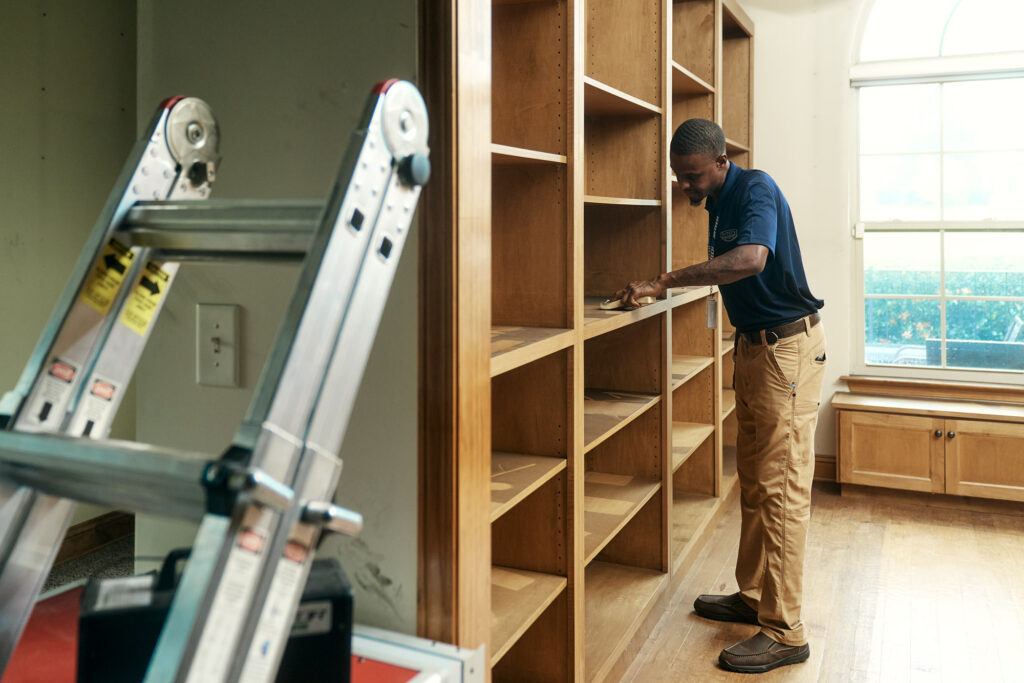
Choosing a reliable mold inspection service means selecting experience, transparency, and professional credentials. Here’s what to look for:
- IICRC Certification: Verifies that technicians follow national standards for safe mold remediation.
- Local Knowledge: Anaheim’s mix of stucco, wood-frame, and slab-on-grade construction requires local expertise in identifying moisture pathways.
- Advanced Equipment: Tools like infrared imaging detect hidden mold without invasive demolition.
- Detailed Reporting: A comprehensive report includes photographs, readings, and remediation recommendations.
- Insurance Partnership: Working directly with insurance carriers ensures streamlined claims and accurate documentation.
When these elements come together, you’re choosing a partner who protects your property and peace of mind.
The Rytech Restoration of Orange County Difference
At Rytech Restoration of Orange County, we combine national expertise with local insight. Backed by nearly 30 years of Rytech experience, we bring certified service, cutting-edge technology, and compassionate care to every project.
We offer:
- IICRC-certified mold inspectors and remediation specialists
- 24/7 emergency response and same-day inspection availability
- Moisture detection and drying science to stop mold at its source
- Clear communication and full project documentation
- Guidance through insurance claims and paperwork
“Anaheim’s blend of coastal air and warm inland weather means homes here experience constant humidity fluctuations,” says Rene Castillo, owner of Rytech Restoration of Orange County. “We’ve restored everything from historic bungalows to modern townhomes, and our process focuses on precision — removing contamination safely while preventing future growth.”
Rene Castillo, Owner, Rytech Restoration of Orange County
What to Expect During a Rytech Mold Inspection
When you schedule a mold inspection with Rytech, our process is efficient, transparent, and compliant with IICRC standards:
Initial Consultation: We discuss your concerns, property history, and visible signs of mold.
Comprehensive Assessment: Using infrared and moisture detection tools, we locate hidden contamination.
Containment Guidance: If mold is found, we outline safe containment and air quality protection steps.
Sampling (If Needed): Air and surface samples can be analyzed to determine mold type and concentration.
Detailed Report & Plan: You receive a clear report, images, and recommendations for mold remediation in Anaheim that align with ANSI/IICRC S520 guidelines.
Our process ensures accuracy from the first inspection to post-remediation verification.
Common Mold Inspection Mistakes to Avoid
Homeowners and property managers sometimes underestimate mold problems or rely on quick fixes. Avoid these common missteps:
- Ignoring early warning signs like musty odors or condensation
- Attempting DIY testing without containment
- Hiring uncertified contractors
- Skipping inspections after leaks or storm damage
- Failing to dry affected areas completely
Rytech’s certified approach eliminates these risks, offering professional precision and long-term results.
When to Call Rytech Restoration of Orange County
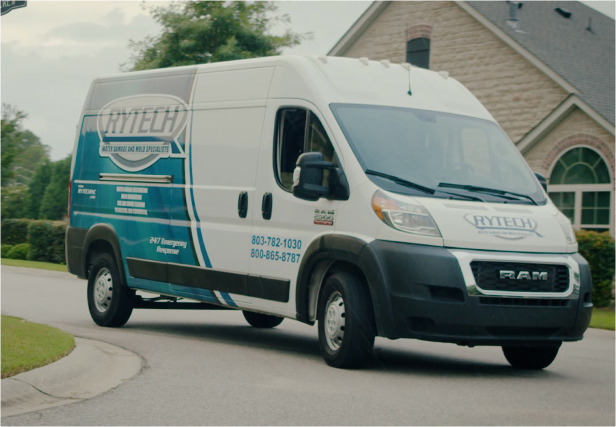
Call our certified team if:
- You see visible mold growth or smell musty odors
- You’ve had recent flooding or leaks
- You’re buying or selling property and need an inspection
- You’ve experienced high indoor humidity or ventilation issues
We provide thorough mold inspection and mold remediation in Anaheim, restoring clean, healthy environments for homes, businesses, and managed properties.
FAQs About Mold Remediation in Orange County
If you’re seeking mold remediation in Orange County, you’re not alone. Many homeowners and property managers turn to experts for guidance on keeping their properties safe and healthy. To make things easier, we’ve put together a list of frequently asked questions covering everything from the remediation process and costs to expected timelines, helping you understand what to expect every step of the way.


