
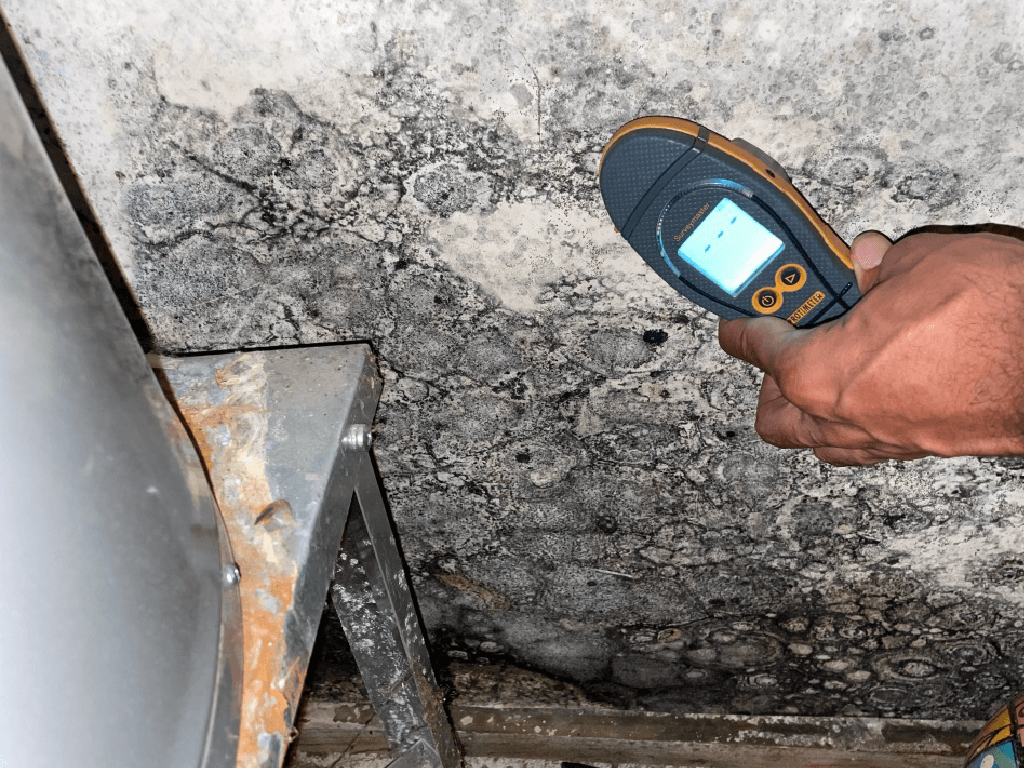
If you’re searching for mold remediation services in Anaheim or anywhere in Orange County, you’re likely dealing with a situation that feels confusing and time-sensitive. Maybe you’ve noticed a smell that won’t go away, or a stain that keeps coming back after cleaning. In homes across Orange County, mold often starts quietly, but once it takes hold, it spreads through materials and indoor air quickly.
Understanding how mold develops, what it means for your property, and how professional remediation works will give you a clear path forward.
Understanding Mold Problems in Orange County Homes
Mold forms when moisture meets the right surface. Drywall, wood, insulation, and even dust can support growth when water is present long enough. In Anaheim and surrounding areas like Santa Ana and Fullerton, that moisture often comes from plumbing leaks, appliance failures, or humidity trapped inside walls.
Mold does more than change how a surface looks. It signals that water has been sitting where it should not be. Industry standards connect microbial growth directly to unresolved moisture issues and incomplete drying after water damage .
In Orange County homes, especially those with slab foundations or tightly sealed construction, moisture can stay hidden for weeks before signs appear.
What Causes Mold Growth in Anaheim Properties
Across neighborhoods in Anaheim, Irvine, and Huntington Beach, we regularly see mold begin with small water problems. A slow drip behind a refrigerator line, a shower leak that seeps into subflooring, or a roof issue after a coastal storm.
Southern California may feel dry, but indoor environments tell a different story. Bathrooms without proper ventilation, laundry rooms, and attic spaces can trap moisture and create the perfect conditions for growth.
When minor water issues are ignored, moisture spreads into surrounding materials. That creates a larger affected area and a more complex remediation process.
Health Concerns Linked to Mold Exposure
When mold spreads indoors, it affects the air you breathe. Some people notice irritation right away. Others experience symptoms that build over time, such as congestion or headaches that seem to linger.
In homes across Orange County, families often connect these symptoms to indoor conditions after an inspection reveals hidden mold. Children, older adults, and individuals with sensitivities tend to react more quickly.
Air movement increases exposure. HVAC systems can carry particles throughout the home, which is why professional remediation focuses on containment and filtration during the process.
Signs Mold May Be Present in Your Home
Some signs are easy to spot. Dark discoloration on walls, bubbling paint, or warped flooring often point to moisture damage. But many mold issues stay hidden.
A musty smell that doesn’t fade is often the first clue. You might also notice that certain areas of the home feel damp or that allergy-like symptoms improve when you leave the house.
Mildew typically stays on the surface. Mold penetrates deeper, embedding into materials and spreading beyond what you can see.
Why Professional Mold Remediation Changes the Outcome
Cleaning visible mold does not solve the root problem. Without controlling moisture and removing contamination properly, the issue returns.
Professional remediation follows standards like ANSI/IICRC S520, which outline how to manage mold contamination safely and effectively .
At Rytech Restoration of Orange County, the process starts with identifying the source of moisture. From there, containment, controlled removal, and detailed cleaning help reduce airborne particles and protect unaffected areas. Advanced drying equipment and moisture mapping ensure the environment stabilizes before the project is complete.
How Mold Inspection and Testing Works

Every successful remediation starts with a clear understanding of the problem. Visual inspections provide initial insight, but moisture detection tools reveal what’s happening behind surfaces.
Technicians measure moisture levels in building materials and identify areas where water has traveled. In larger properties or complex cases, air sampling or surface testing helps define the extent of contamination.
This step builds the roadmap for the entire project.
What Happens During the Mold Remediation Process
The first step is containment. Physical barriers and negative air pressure isolate the affected area, preventing contamination from spreading into clean spaces.
Air filtration systems capture airborne particles while work is underway. Materials that cannot be restored are removed carefully, while structural components that can be saved are cleaned using specialized methods.
Documentation stays consistent throughout the process. That includes photos, moisture readings, and progress updates that keep property owners and insurance partners informed.
Timeline and What to Expect
The length of a project depends on how far mold has spread and how long moisture has been present. A small area may take a few days, while larger homes in Anaheim or commercial properties in Costa Mesa may require more time.
Clear communication keeps everything moving smoothly. You’ll know what stage the project is in and what comes next.
Post-Remediation Verification and Air Quality
After remediation, the focus shifts to confirming that the work achieved the intended result. The goal is to return indoor conditions to a normal state.
Post-remediation verification may include third-party indoor air quality testing when needed. Industry guidance emphasizes verification as part of completing a remediation project properly .
Costs and Insurance Support
Costs vary depending on the size of the affected area, the materials involved, and the level of contamination. Many mold issues tie back to a water event such as a pipe leak or appliance failure.
For property owners, the insurance process may feel unfamiliar. Rytech Restoration of Orange County works alongside insurance professionals, providing clear documentation and helping guide each step from inspection to completion.
DIY Mold Removal Compared to Professional Help
Small surface spots might be manageable with proper cleaning, but deeper contamination requires a structured approach. Without containment and proper removal, spores spread and affect additional areas.
Professional remediation brings training, equipment, and proven methods together. That combination addresses both the visible problem and the underlying moisture condition.
Preventing Mold from Returning in Orange County Homes
Moisture control prevents recurrence. Regular inspections, proper ventilation, and quick response to leaks keep indoor conditions stable.
In Anaheim homes, checking plumbing connections, maintaining roofing systems, and ensuring airflow in attics and bathrooms reduces the risk of future issues.
Smart Improvements for Long-Term Protection
Upgrading materials in moisture-prone areas adds another layer of protection. Mold-resistant drywall, improved insulation, and better ventilation systems create a more balanced indoor environment.
These improvements help limit how moisture interacts with building materials over time.
Safety Standards That Guide the Process
Mold remediation follows established guidelines designed to protect both occupants and technicians. The ANSI/IICRC S520 standard provides a framework for handling contamination, controlling exposure, and verifying results .
These standards shape how projects are planned, executed, and documented.
Choosing the Right Mold Remediation Partner in Orange County
Experience with local construction and climate conditions matters. Homes in Orange County often include materials and layouts that influence how moisture moves through a structure.
“In Anaheim and across Orange County, we see mold tied to hidden plumbing leaks and moisture trapped in wall cavities. Many homes are built with materials that absorb water quickly, so finding the source early changes everything. Our team focuses on detailed inspections and controlled remediation so property owners know exactly what’s happening at every step.”
Rene Castillo, Owner, Rytech Restoration of Orange County
Preparing Your Home Before and After Remediation
Before work begins, clearing access to affected areas helps technicians move efficiently. During remediation, keeping family members and pets away from contained zones maintains a controlled environment.
After the project is complete, monitoring humidity and addressing any new moisture issues protects the work that was done.
Local Experience Across Anaheim and Orange County
From residential homes in Anaheim to commercial properties in Irvine, Santa Ana, and Huntington Beach, each property presents unique challenges. Local experience helps identify patterns and solutions faster.
If you’re dealing with a mold concern, explore professional mold remediation services in Orange County and see how a structured, science-based approach restores your property and indoor environment.
Get Inspected to Stay Protected
If something feels off in your home, whether it’s a smell, a stain, or concern after water damage, taking action early will limit how far the issue spreads.
FAQs About Mold Remediation in Orange County
If you’re seeking mold remediation in Orange County, you’re not alone. Many homeowners and property managers turn to experts for guidance on keeping their properties safe and healthy. To make things easier, we’ve put together a list of frequently asked questions covering everything from the remediation process and costs to expected timelines, helping you understand what to expect every step of the way.


