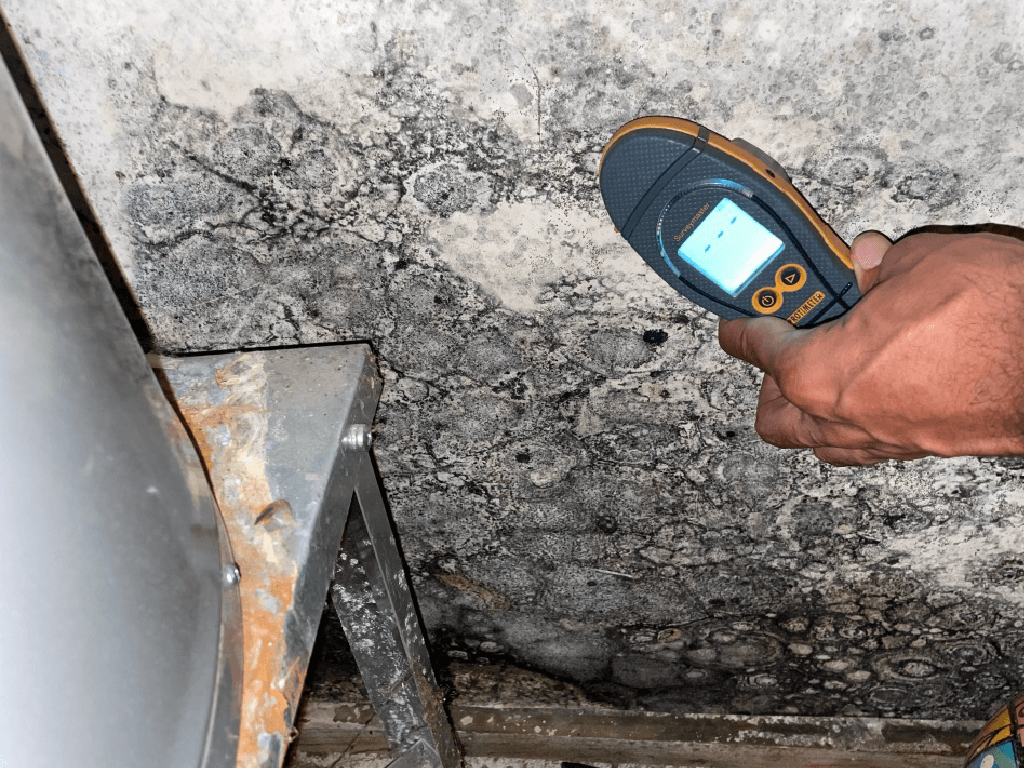
The coastal air and mild year-round climate that make Orange County so desirable also create a hidden challenge for property owners: moisture control. Between the ocean humidity, occasional rain, and plumbing leaks in older buildings, Anaheim homes and commercial properties often become ideal environments for mold growth. When left unchecked, mold can spread fast and affect both indoor air quality and structural integrity.
At Rytech Restoration of Orange County, we’ve spent years helping homeowners, business owners, and insurance partners restore properties affected by moisture and mold. Our team follows ANSI/IICRC S520 standards for professional mold remediation in Anaheim and S500 water damage restoration guidelines, ensuring a safe and thorough process every time.
What Causes Mold Growth in Orange County
Mold develops when moisture remains trapped inside a structure. In Orange County, the most common culprits include roof leaks after rainstorms, pipe leaks inside walls, high indoor humidity, and poor ventilation in bathrooms or crawl spaces. Coastal cities like Huntington Beach and Costa Mesa see even higher humidity, which can cause mold to grow on walls, window sills, and ceilings.
Early detection matters. Finding and fixing a moisture source within 24 to 48 hours can prevent widespread mold colonization and protect your property’s value.
Health Risks Associated With Mold Exposure
Mold exposure doesn’t just affect your property—it can also affect your health. Short-term exposure may cause symptoms like sneezing, coughing, headaches, or eye irritation. Long-term exposure can aggravate respiratory issues or trigger asthma attacks.
Children, elderly adults, and individuals with compromised immune systems are especially sensitive to poor indoor air quality caused by mold spores. Professional remediation helps restore a clean, healthy environment that supports overall wellbeing.
Identifying the Signs of a Mold Problem
Mold isn’t always easy to spot. Anaheim homeowners often notice subtle signs before they see visible growth. Common indicators include:
- Persistent musty odors that don’t fade after cleaning.
- Discolored patches on drywall or ceilings.
- Peeling paint or warped materials around windows.
- Increased allergy symptoms when spending time indoors.
If you notice these symptoms—especially after water damage—it’s time to schedule a professional inspection.
Mold Inspection and Testing Procedures
Professional mold inspections go beyond what’s visible. Rytech Restoration uses advanced tools like moisture meters, thermal imaging cameras, and hygrometers to detect hidden moisture behind walls and flooring.
When needed, air and surface sampling help confirm the type and concentration of mold spores in your property. These findings guide our remediation plan, ensuring your project meets the highest industry standards under ANSI/IICRC S520.
The Mold Remediation Process Explained
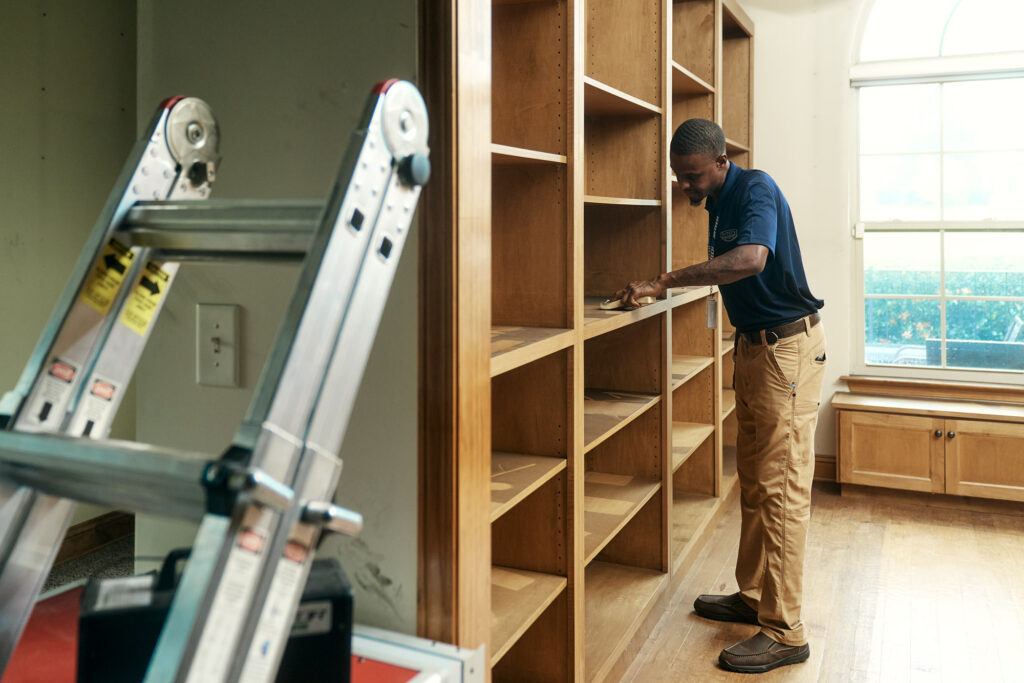
The professional remediation process involves more than cleaning—it’s a methodical restoration approach. At Rytech Restoration of Orange County, our certified technicians follow a proven, step-by-step process:
- Inspection and Assessment – Evaluate the contamination and its moisture source.
- Containment – Seal off affected areas to stop spores from spreading.
- Air Filtration – Use HEPA air scrubbers to capture airborne mold particles.
- Mold Removal – Safely remove or clean contaminated materials.
- Cleaning and Sanitization – Disinfect all surfaces to eliminate remaining spores.
- Drying and Dehumidification – Ensure the environment is dry to prevent regrowth.
- Post-Remediation Verification – Confirm the property meets cleanliness and safety benchmarks.
Each step is carefully documented to support insurance and compliance requirements.
Containment and Air Filtration
Containment prevents cross-contamination during cleanup. Plastic barriers, sealed doorways, and negative air pressure machines create a controlled environment that keeps unaffected areas clean.
Meanwhile, HEPA air scrubbers run continuously throughout the project to remove airborne particles. This process not only prevents spore migration but also improves overall indoor air quality.
Mold Removal Methods and Equipment
Our certified technicians use professional-grade tools and cleaning agents designed specifically for mold removal. HEPA vacuums capture spores, wire brushes remove mold from surfaces, and antimicrobial solutions sanitize cleaned areas.
When materials like drywall or insulation are too damaged to restore, Rytech’s team removes them safely to ensure the contamination doesn’t return.
Drying and Dehumidification
Moisture control is the foundation of every successful remediation. Using industrial-grade dehumidifiers and air movers, our technicians bring humidity down to optimal levels.
Moisture readings are taken throughout the process to verify that walls, floors, and framing reach acceptable dryness levels as defined by IICRC S500 standards. This prevents new mold growth from developing.
Preventing Future Mold Growth
Preventing mold is about controlling moisture before it causes damage. Anaheim’s moderate temperatures and occasional humidity spikes mean homeowners should:
- Repair roof and plumbing leaks immediately.
- Ventilate bathrooms, kitchens, and laundry areas.
- Use dehumidifiers during wet or humid months.
- Schedule moisture inspections after storms or flooding.
Proactive maintenance saves time and money by stopping mold before it spreads.
When to Hire Certified Mold Remediation Professionals
Certified mold remediation ensures safety, compliance, and peace of mind. Rytech Restoration of Orange County is IICRC-certified and equipped with the latest technology to identify, contain, and remove mold efficiently.
“Anaheim’s mix of coastal air, older housing, and newer construction presents unique challenges,” says Rene Castillo, owner of Rytech Restoration of Orange County. “Our team understands local building materials—from stucco and plaster to newer drywall systems—and we know how to dry and restore them correctly.”
Rene Castillo, Owner, Rytech Restoration of Orange County
Whether you’re a property manager, business owner, or homeowner, working with certified professionals guarantees a more reliable and lasting outcome.
Understanding Mold Remediation Costs
Costs vary depending on the size of the affected area, the materials involved, and the level of contamination. Smaller residential jobs are often completed quickly, while large commercial or multi-unit properties may require extended containment and verification.
Every Rytech project includes a clear estimate and thorough documentation to ensure accuracy for insurance and compliance purposes.
Insurance Coverage for Mold Damage
Homeowner and commercial policies sometimes cover mold remediation if it results from a sudden and accidental water event, like a burst pipe or storm damage.
Rytech’s administrative support team helps clients navigate the process by providing the documentation, photos, and reports adjusters need to verify claims.
Post-Remediation Verification and Clearance Testing
Once remediation is complete, post-remediation verification (PRV) ensures the project was successful. Independent air or surface testing may be performed to confirm that spore levels are within safe limits and moisture has been fully eliminated.
This step provides peace of mind for property owners, managers, and insurers that the job has been done right.
DIY vs. Professional Mold Remediation

DIY cleanup might seem manageable for small mold spots, but larger issues require professional handling. Without the right equipment and containment methods, cleaning attempts can spread spores and worsen contamination.
Professional remediation eliminates the guesswork, ensuring that the problem is fully resolved and that documentation is provided for insurance and legal purposes.
Legal and Regulatory Compliance
California enforces strict mold-related health and environmental regulations. Rytech Restoration of Orange County operates under ANSI/IICRC S520 guidelines and adheres to all state and local requirements.
Our technicians ensure every project is completed safely, effectively, and in full compliance with environmental standards.
Get Inspected to Stay Protected
From beachside homes in Huntington Beach to commercial offices in Anaheim and family properties in Santa Ana, Rytech Restoration of Orange County helps property owners restore safe, healthy indoor environments.
If you see signs of mold or water damage, don’t wait—get inspected to stay protected.
FAQs About Mold Remediation in Orange County
If you’re seeking mold remediation in Orange County, you’re not alone. Many homeowners and property managers turn to experts for guidance on keeping their properties safe and healthy. To make things easier, we’ve put together a list of frequently asked questions covering everything from the remediation process and costs to expected timelines, helping you understand what to expect every step of the way.


