
Water damage can happen without warning, even in Southern California's generally mild climate. A burst pipe, slab leak, overflowing appliance, roof leak after an atmospheric river, or sewer backup can quickly affect floors, walls, cabinets, and structural materials. Within hours, moisture begins spreading beyond the area where the leak first occurred, making fast action one of the most effective ways to reduce damage.
Whether you own a home in Anaheim, manage a commercial facility in Irvine, oversee apartments in Santa Ana, or support policyholders throughout Orange County, understanding how emergency water damage restoration works can help you make informed decisions during a stressful event.
Emergency restoration is more than simply removing standing water. Following ANSI/IICRC S500 standards, the process focuses on identifying hidden moisture, stabilizing the affected environment, drying structural materials to appropriate moisture levels, documenting conditions, and helping property owners navigate every step of recovery.
Understanding Water Damage in Orange County
Emergency water damage occurs when unwanted water enters a building and begins affecting structural materials or personal property. Unlike maintenance issues that can wait for scheduled repairs, emergency water losses continue changing every hour as moisture migrates through drywall, flooring systems, insulation, framing, and cabinetry.
Throughout Anaheim and the surrounding Orange County communities, emergency water losses frequently result from broken plumbing lines, slab leaks, overflowing washing machines, failed water heaters, dishwasher supply line failures, roof leaks during seasonal storms, and sewer backups.
Although Orange County does not experience the constant rainfall found in other parts of the country, sudden weather events and aging plumbing systems create their own restoration challenges. Water can spread quickly beneath tile flooring, engineered hardwood, luxury vinyl planks, carpeting, and behind finished walls before obvious damage becomes visible.
Whether the property is a single-family home in Fullerton, a condominium in Huntington Beach, a retail center in Costa Mesa, or a commercial office in Irvine, the goal remains the same: identify the source of the loss, remove excess water, dry the structure, and help preserve as many materials as possible.
Common Causes of Emergency Water Damage
Water damage develops from both sudden and gradual events.
Sudden losses typically involve burst pipes, appliance failures, overflowing fixtures, slab leaks, roof damage during heavy storms, or firefighting efforts following a fire. These events often release large amounts of water within minutes, allowing moisture to spread rapidly throughout the structure.
Gradual losses usually remain hidden until visible signs begin appearing. A small plumbing leak inside a wall cavity may continue for weeks before paint begins bubbling or flooring starts warping. Slow roof leaks can affect insulation and ceilings long before occupants notice staining.
Southern California has also experienced several atmospheric river events in recent years. Although these storms are temporary, they can overwhelm roofing systems, create drainage issues, and allow water intrusion into homes and commercial buildings across Orange County.
Regardless of how the water enters the property, identifying and correcting the source helps prevent recurring damage while supporting long-term restoration success.
Signs That Require Immediate Attention
Some water damage is impossible to overlook. Standing water, active leaks, and overflowing fixtures clearly signal the need for immediate action.
Other warning signs develop gradually.
Hardwood flooring may begin cupping or separating. Laminate flooring can swell. Paint may blister or peel away from drywall. Ceiling stains often appear after roof leaks or plumbing failures above the affected area. A persistent musty odor frequently indicates hidden moisture that has not completely dried.
An unusually high water bill may also point to a concealed plumbing leak beneath the foundation or inside a wall.
Because mold growth can begin developing within 24 to 48 hours under favorable moisture conditions, investigating these warning signs early often reduces the overall scope of restoration.
Understanding Water Damage Categories and Classes
Professional restoration companies use the ANSI/IICRC S500 Standard for Professional Water Damage Restoration to classify water losses and develop appropriate drying strategies.
Water categories describe contamination levels associated with the source of water.
Category 1 water originates from a sanitary source such as a broken supply line or sink faucet.
Category 2 water contains contaminants that may cause discomfort or illness with exposure. Examples include washing machine overflows, dishwasher discharge, and certain plumbing failures.
Category 3 water contains significant contamination and may include sewage backups, floodwater, or other hazardous sources requiring specialized handling procedures.
Water damage is also assigned a drying class.
Class 1 losses involve limited moisture absorption and affect only a small portion of the structure. Class 4 losses involve deeply saturated materials such as hardwood flooring, concrete, masonry, and plaster that require specialized drying techniques and extended drying times.
These classifications allow restoration professionals to select appropriate equipment, estimate drying timeframes, and establish project goals based on measurable conditions rather than assumptions.
Why Immediate Response Matters
Water continues moving through building materials long after the initial leak has stopped.
Drywall absorbs moisture quickly. Wood framing expands as moisture content increases. Flooring systems trap water beneath finished surfaces. Insulation retains moisture, slowing natural drying and increasing the potential for secondary damage.
Beginning mitigation early improves the opportunity to preserve structural materials, reduce overall drying time, and help maintain healthier indoor conditions. Prompt action also supports insurance documentation requirements by demonstrating reasonable efforts to reduce additional damage following a covered loss.
Waiting several days before beginning structural drying often increases the amount of affected material and extends the overall restoration timeline.
What Happens During the Emergency Water Damage Restoration Process?
Many property owners have never experienced a significant water loss, so understanding the restoration process helps reduce uncertainty.
The first step involves a comprehensive inspection and moisture assessment. Technicians identify affected materials, determine the category and class of water damage, locate hidden moisture, and develop a drying strategy tailored to the property's specific conditions.
Standing water is then removed using high-capacity extraction equipment. Removing water quickly limits additional absorption into surrounding materials and improves drying efficiency.
Once extraction has been completed, commercial air movers and dehumidifiers are strategically installed to create controlled drying conditions throughout the structure. Moisture readings are collected regularly using professional moisture meters and infrared imaging technology to verify drying progress and identify hidden moisture that remains inside building assemblies.
Throughout every phase of the project, detailed documentation, moisture maps, photographs, equipment logs, and drying records provide valuable information for property owners and insurance professionals while supporting informed decision-making throughout the restoration process.
Professional Water Extraction and Drying Techniques
Removing standing water is only one part of the restoration process. In many water damage projects, the greatest amount of moisture is hidden beneath flooring systems, inside wall cavities, behind cabinets, or within structural framing. Without professional moisture detection, these areas may remain wet long after surfaces appear dry.
Professional restoration teams use high-capacity extraction equipment to remove large volumes of water quickly and efficiently. Once standing water has been extracted, industrial-grade air movers and commercial dehumidifiers are strategically placed to create controlled drying conditions throughout the structure. This combination increases evaporation while removing moisture from the indoor air.
Advanced moisture meters and infrared cameras help identify hidden moisture that cannot be seen during a visual inspection. Throughout the drying process, technicians monitor moisture content and adjust equipment placement based on measurable results rather than estimates.
Across Anaheim and Orange County, many homes feature slab foundations, engineered wood flooring, tile over concrete, and modern building materials that require specialized drying techniques to help preserve materials whenever possible.
Equipment Used During Water Damage Restoration
Today's restoration industry relies on advanced technology and drying science rather than guesswork.
Commercial air movers accelerate airflow across wet surfaces to encourage evaporation. Refrigerant and desiccant dehumidifiers remove moisture from the air and help maintain controlled drying conditions throughout the project.
Moisture mapping equipment documents affected areas while hygrometers measure humidity and environmental conditions. Moisture meters provide accurate readings inside structural materials, allowing technicians to determine when drying goals have been achieved.
When microbial contamination becomes a concern, HEPA-filtered equipment may be incorporated during containment and remediation procedures. HEPA filtration helps reduce airborne particles and supports healthier indoor environments while remediation activities are underway.
These technologies help restoration professionals preserve structural materials whenever practical while minimizing unnecessary demolition.
Mold Prevention and Remediation After Water Damage
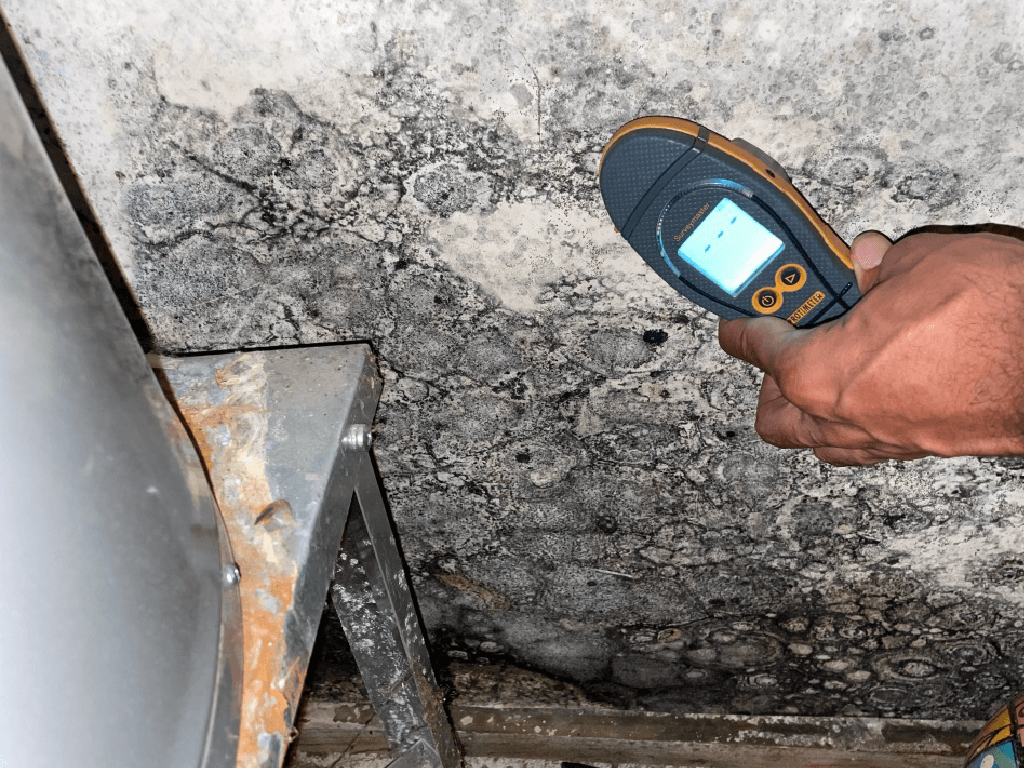
Mold requires moisture to grow, making prompt structural drying one of the most effective ways to reduce the likelihood of contamination following a water loss.
Although Orange County enjoys a generally dry climate, water damage creates localized conditions where mold can develop if moisture remains trapped inside walls, beneath flooring, or inside cabinetry. A slow plumbing leak or slab leak may remain hidden for weeks before obvious signs become visible.
Professional mold remediation follows ANSI/IICRC S520 guidance by focusing on identifying contamination, establishing containment, safely removing affected materials when necessary, and reducing harmful mold spores within the indoor environment. Source control and moisture correction remain central to successful remediation.
Addressing water damage quickly gives property owners the best opportunity to prevent additional moisture-related concerns while helping preserve indoor environmental quality.
Health and Safety Considerations During Water Damage Emergencies
Water damage often creates hazards that extend beyond wet building materials.
Electrical systems exposed to water may present shock hazards. Saturated ceilings or flooring can become unstable after prolonged exposure. Floodwater and sewage backups may contain biological or chemical contaminants requiring specialized handling procedures.
Category 3 water losses involving sewage or contaminated floodwater require additional safety precautions because of potential health risks. Restoration professionals use personal protective equipment appropriate for the conditions and follow industry-recognized safety procedures throughout mitigation activities.
Commercial buildings, schools, healthcare facilities, hospitality properties, and multifamily communities throughout Orange County often require additional planning to maintain occupant safety while restoration work is underway.
Navigating Insurance Claims and Documentation
Most property owners rarely experience a significant water loss, making the insurance process unfamiliar.
Comprehensive documentation helps simplify communication among property owners, insurance adjusters, insurance carriers, and restoration professionals. Moisture readings, drying logs, photographs, equipment records, and project documentation create a detailed record of conditions from the beginning of the project through completion.
Accurate documentation supports informed claim evaluations while providing transparency throughout the restoration process. Many property owners appreciate having measurable information that explains both the extent of the damage and the progress being made.
Rytech Restoration of Orange County emphasizes clear communication because understanding each step of the restoration process helps reduce uncertainty during recovery.
DIY Cleanup Versus Professional Restoration
Many people wonder whether water damage can be handled without professional assistance.
Minor spills can often be cleaned using household methods. Larger water losses typically involve hidden moisture that cannot be detected without specialized equipment.
Household fans may dry exposed surfaces while moisture remains trapped beneath flooring, inside wall cavities, or within insulation. Moisture that goes undetected can continue affecting structural materials long after surfaces appear dry.
Professional restoration teams combine advanced drying equipment, moisture detection technology, and IICRC training to identify affected materials, verify drying progress, and develop drying strategies based on measurable conditions.
The objective is not simply removing visible water. The objective is restoring appropriate moisture conditions throughout the structure.
Understanding Water Damage Restoration Costs
Every water damage project is unique.
Restoration costs depend upon several factors, including the size of the affected area, the category and class of water damage, accessibility challenges, drying duration, and whether mold remediation becomes necessary.
A small Category 1 plumbing leak affecting one room requires different resources than a Category 3 sewage backup impacting multiple areas of a commercial property. Likewise, a slab leak beneath a home in Anaheim presents different restoration considerations than storm-related roof damage affecting a commercial building in Irvine.
Insurance coverage may help offset restoration costs depending on the policy and cause of loss. Detailed documentation supports informed discussions throughout the claims process.
Choosing the Right Restoration Partner in Orange County
When evaluating restoration companies, response capability should be one of the first considerations.
Water damage continues spreading regardless of the time of day. Property owners often benefit from selecting a company that offers 24/7 emergency response, IICRC-certified technicians, advanced moisture detection technology, thorough documentation practices, and experience working alongside insurance professionals.
Local expertise also matters.
Restoration professionals familiar with Orange County construction methods, slab foundations, Southern California plumbing systems, commercial properties, hospitality facilities, and regional weather patterns understand challenges unique to the area.
Rytech Restoration of Orange County combines local knowledge with the resources of a national restoration brand backed by more than 30 years of experience. Advanced drying science, rapid emergency response, detailed documentation, and a customer-focused approach help support successful outcomes for both residential and commercial properties.
A Local Perspective From Orange County Restoration Expert Rene Castillo
According to Rene Castillo, owner of Rytech Restoration of Orange County:
"After helping property owners throughout Anaheim, Irvine, Santa Ana, Huntington Beach, Costa Mesa, Fullerton, and neighboring communities, we've seen how quickly water can travel beneath flooring systems and inside wall cavities. Many Orange County homes feature slab foundations, tile flooring, engineered wood, and modern building materials that require accurate moisture monitoring throughout the drying process. Plumbing failures, slab leaks, appliance malfunctions, and seasonal storm events are among the most common causes of water damage we encounter. Using proven drying science and detailed moisture measurements helps preserve materials and supports better outcomes for property owners."
Rene Castillo, Owner, Rytech Restoration of Orange County
Understanding the Typical Restoration Timeline
One of the first questions property owners ask is how long the restoration process will take.
Emergency response generally begins shortly after the loss is reported. Water extraction often occurs during the initial visit. Drying and dehumidification commonly require two to five days depending on material types, environmental conditions, and the extent of moisture intrusion.
Larger losses involving contamination, commercial facilities, or deeply saturated materials may require additional drying time. Moisture readings collected throughout the project allow technicians to adjust drying strategies based on measurable conditions rather than estimated timelines.
Every project progresses according to how the structure responds to drying rather than a predetermined schedule.
Preventing Future Water Damage
Although no property can eliminate every risk, proactive maintenance helps reduce the likelihood of future water losses.
Routine inspections of plumbing systems, appliance supply lines, roofing materials, water heaters, and HVAC equipment can identify developing problems before they become emergencies. Water leak detection devices and automatic shutoff systems provide additional protection by alerting property owners when leaks occur.
Commercial property managers benefit from emergency preparedness planning, current utility maps, and pre-loss documentation that helps accelerate decision-making during an emergency.
Preparation reduces uncertainty and supports faster recovery when unexpected water damage occurs.
Emergency Water Damage Restoration Services Available Near You in Anaheim
Whether you own a home in Anaheim, manage a commercial property in Irvine, oversee facilities throughout Orange County, or support policyholders across Southern California, understanding emergency water damage restoration helps you make informed decisions when unexpected water intrusion occurs.
If you're searching for professional water damage restoration services in Anaheim, having a trusted resource available before an emergency occurs provides confidence when every hour counts.
FAQs: Answering Your Pressing Water Damage Restoration Questions
At Rytech Restoration of Orange County, we know that water damage can be overwhelming. To help you through this difficult time, we’ve created a list of FAQs to give you a better understanding of our services, the restoration process, and what to expect when you choose to work with us.


